
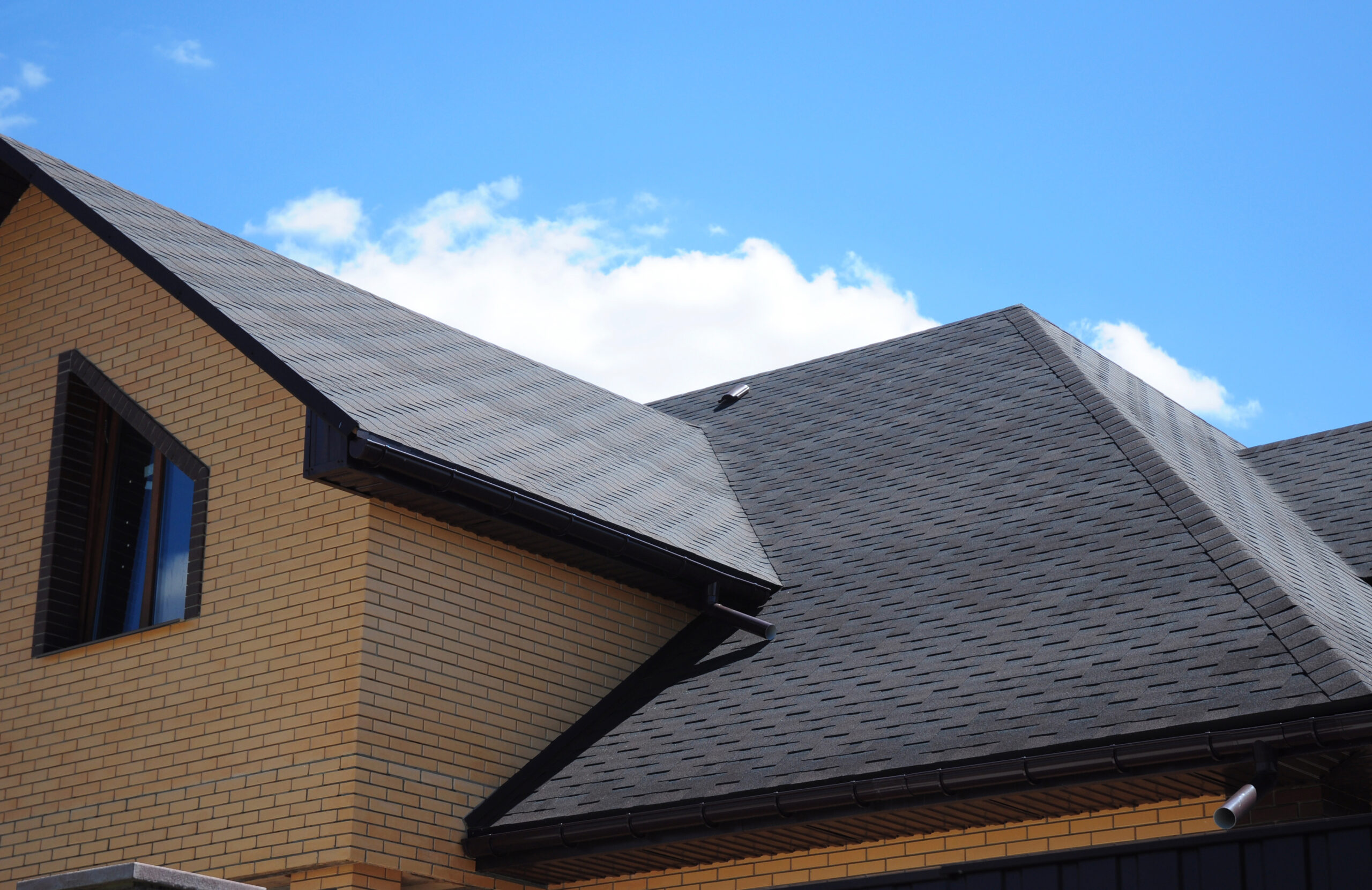
Wakefield, located in West Yorkshire, England, has a rich architectural history and diversity in roofing practices. This complexity is a result of evolving construction technologies, locally available materials, local weather conditions, and historical influences, all of which form the unique character of the city’s roofs. From the traditional thatched roofs to contemporary flat roofing systems, Wakefield exhibits a wide variety of roofing styles.
The city’s roofing practices integrate both aesthetics and functionality. For instance, stone slate roofing, quite common in Wakefield, not only adds a historic charm to the buildings but also provides excellent weather resistance. Similarly, the innovative green roofing solutions in the city are not just visually appealing, but they also provide insulation and support biodiversity, proving that Wakefield’s roofing practices are as practical as they are diverse.
Understanding the complexity of Wakefield’s roofing practices provides key insights into the city’s architectural identity. It’s not just about shelter; roofing in Wakefield is about preserving history, enhancing visual appeal, and promoting sustainability, thereby significantly contributing to the character and charm of the city.
Historical Evolution of Roofing Techniques in Wakefield
The evolution of roofing techniques in Wakefield is deeply intertwined with the city’s rich history. Traditional roofing styles, such as thatched and stone slate roofs, hark back to the Medieval and Victorian eras, respectively, and are still prevalent in the city’s historic buildings. Thatched roofs, made from materials like straw or reeds, were the most common form of roofing in rural areas during the Medieval period, while slate roofing emerged during the Victorian era as an affordable and durable option for urban buildings.
Throughout the 20th century, the advent of modern construction materials and techniques led to the introduction of new roofing styles in Wakefield. Concrete tile roofing, for instance, became popular due to its longevity and ease of installation. The use of metal roofing, particularly for industrial and commercial buildings, also increased owing to its durability and low maintenance needs.
Today, Wakefield’s roofing landscape is a mix of both traditional and modern styles. The city recognises the importance of preserving its architectural history, which is why many historic buildings still retain their original roofing styles. Meanwhile, new construction projects favour modern roofing materials and techniques for their efficiency and sustainability.
The Distinctiveness of Wakefield’s Building Materials
Wakefield’s building materials for roofing are as diverse as its styles, ranging from traditional materials like thatch and stone slate to modern materials like metal and concrete tiles. These materials are chosen for their individual features and benefits, such as durability, weather resistance, and aesthetic appeal.
Stone slate, a traditional material, is popular due to its natural look, excellent weather resistance, and longevity. Thatch, another traditional material, is valued for its rustic appeal and insulating properties, although it requires more maintenance than other materials. Modern materials like metal and concrete tiles are chosen for their durability, low maintenance needs, and versatility in design.
The use of these diverse materials in Wakefield’s roofing practices contributes to the city’s unique architectural character. It also demonstrates the city’s commitment to combining tradition with innovation in its roofing practices and using the right material for the right purpose.
Wakefield’s Contribution to Innovation in Roofing
Wakefield’s contribution to the innovation in roofing is evident in its adoption of modern materials and techniques. For instance, the city has embraced green roofing solutions, which involve the installation of vegetation on rooftops to provide insulation, absorb rainwater, and support biodiversity. These roofs not only improve the energy efficiency of buildings but also enhance their visual appeal, thereby representing a perfect blend of form and function.
Wakefield has also adopted advanced roofing technologies, such as solar roofs, which incorporate solar panels into the roofing material, thereby providing a renewable source of energy for buildings. This not only reduces the environmental footprint of buildings but also lowers their energy costs.
Such innovative roofing practices in Wakefield demonstrate the city’s commitment to sustainability and efficiency. It also shows how Wakefield is not just preserving its roofing traditions but also shaping the future of roofing with its innovative practices.
Understanding the Durability of Wakefield’s Roofing Styles
The durability of Wakefield’s roofing styles is a testament to the city’s selection of quality materials and implementation of robust construction techniques. Traditional materials like stone, slate, and thatch have proven their durability over centuries, while modern materials like metal and concrete tiles are known for their longevity and low maintenance needs.
For instance, stone slate roofs in Wakefield can last for several decades, if not centuries, with proper maintenance. This is largely due to the material’s natural resistance to weather and its ability to withstand the test of time. Similarly, metal and concrete tile roofs require little maintenance and can last for many decades, making them a cost-effective option for many property owners.
The durability of Wakefield’s roofing styles is not just about the longevity of the materials used, but also about the quality of construction. The city’s roofing professionals are skilled in both traditional and modern roofing techniques, ensuring that each roof they install is built to last.
Weather Influence on Wakefield’s Roofing Preferences
The weather in Wakefield, like in many parts of the UK, varies greatly, with relatively warm summers and cold, wet winters. This has a significant influence on the city’s roofing preferences, as the materials and styles chosen must be able to withstand these diverse weather conditions.
For instance, stone slate and concrete tile roofs are popular in Wakefield due to their excellent weather resistance. These materials can withstand heavy rain, strong winds, and freezing temperatures, making them ideal for the city’s climate. Similarly, green roofs are favoured for their ability to absorb rainwater, reducing the risk of flooding and providing insulation to keep buildings warm during winter.
Overall, the influence of weather on Wakefield’s roofing preferences underscores the practical considerations that go into the city’s roofing practices. It shows how the city values both style and substance in its architecture, resulting in roofs that are as functional as they are aesthetically pleasing.
Examining the Environmental Impact of Roofing Practices in Wakefield
Wakefield’s roofing practices have a significant environmental impact, both in terms of the materials used and the innovative techniques adopted. Traditional materials like stone, slate, and thatch are naturally occurring and thus have a lower environmental impact than synthetic materials. Similarly, modern materials like metal and concrete tiles are often made from recycled materials, which reduces their environmental footprint.
Moreover, Wakefield’s adoption of green roofing solutions and solar roofs demonstrates the city’s commitment to sustainability. Green roofs not only provide insulation and absorb rainwater, but they also support biodiversity by providing habitats for insects and birds. Solar roofs, on the other hand, generate renewable energy, reducing the reliance on fossil fuels and thereby lowering the environmental impact of buildings.
In conclusion, Wakefield is mindful of the environmental impact of its roofing practices, seeking to minimise this through the use of sustainable materials and techniques. This commitment to sustainability not only benefits the environment but it also enhances the city’s architectural character and appeal.
The Future of Roofing Techniques in Wakefield
The future of roofing techniques in Wakefield looks promising, with the continued evolution of materials and techniques. The city is likely to continue combining traditional roofing styles with modern innovations, resulting in a blend of form, function, and sustainability.
As new materials and technologies become available, Wakefield is likely to adopt them into its roofing practices. For instance, the use of advanced insulation materials can improve the energy efficiency of roofs, while the integration of smart technologies can allow for real-time monitoring and maintenance of roofs.
In conclusion, the future of roofing in Wakefield is about innovation and sustainability. The city’s unique blend of tradition and modernity in its roofing practices is set to continue, contributing to the city’s architectural diversity and appeal while promoting a more sustainable future.