
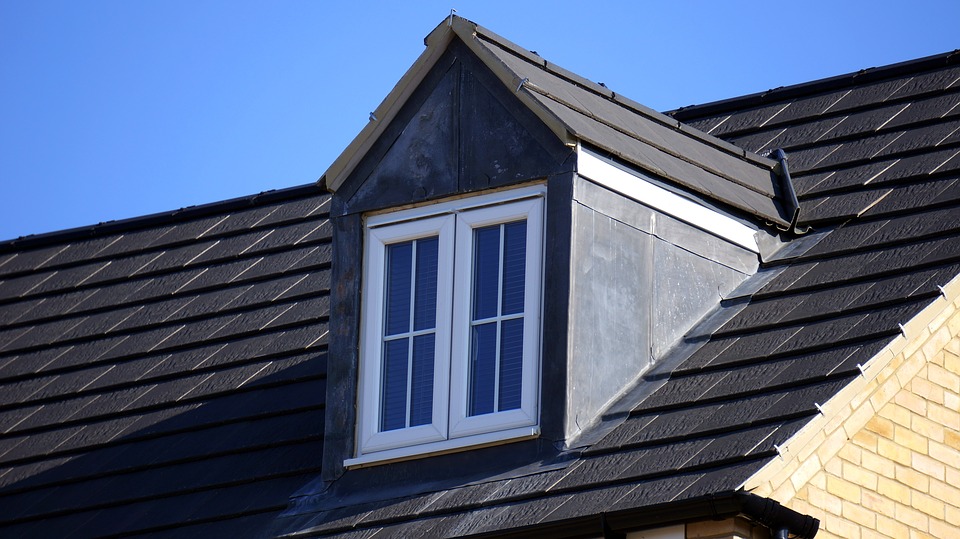
Wakefield’s roofing industry has undergone a significant transformation over the years, reflecting both technological advancements and changing societal attitudes. Traditional thatched roofs, once a common sight in this part of West Yorkshire, have given way to more durable materials such as slate, clay, and concrete tiles, able to withstand the region’s often harsh weather conditions. This evolution has not only improved the longevity and durability of Wakefield’s roofs but has also enhanced their aesthetic appeal, contributing to the distinctive character of the region’s domestic and commercial buildings.
Technological advancements have also played a pivotal role in reshaping Wakefield’s roofing industry. Today, the application of computer-aided design (CAD) software and digital surveying techniques has significantly streamlined the roof design and installation processes. These innovations offer precision and accuracy, reducing the margin for error, thereby saving time and resources.
However, the evolution of Wakefield’s roofing industry is not just about technological advancements but also about embracing sustainable practices. The industry is increasingly recognising its responsibility towards the environment, leading to the adoption of eco-friendly materials and energy-efficient solutions. The influence of sustainability on the roofing industry in Wakefield is arguably one of its most profound changes.
The Shift Towards Sustainable Roofing Solutions in Wakefield
In recent years, there has been a marked shift towards sustainable roofing solutions in Wakefield. This trend is driven not only by increasing environmental awareness but also by the desire to cut energy costs. A growing number of property owners are turning to materials such as recycled shingles, metal roofing and ‘green’ roofs, which incorporate vegetation to improve energy efficiency and reduce environmental impact. These materials not only last longer than traditional roofing materials but also reduce waste and energy consumption, offering a more sustainable solution.
Green, or living, roofs are a particularly interesting trend in Wakefield. These roofs are partially or completely covered with vegetation, providing multiple benefits. They can help to reduce heating and cooling costs, manage stormwater runoff, improve air quality and enhance biodiversity. Moreover, they add an aesthetic value to the building, transforming it into a green oasis within an urban environment.
Another sustainable roofing solution gaining traction in Wakefield is cool roofing, designed to reflect more sunlight and absorb less heat than a standard roof. It helps to reduce energy bills by decreasing the need for air conditioning, contributes to mitigating the urban heat island effect, and may prolong the life of the roof. Together, these emerging trends signal a shift towards a more sustainable and environmentally conscious roofing industry in Wakefield.
The Rise of Solar Roofing: A New Trend in Wakefield
Solar roofing is also making its mark in Wakefield’s roofing industry. More homeowners and businesses are becoming interested in this technology as a way to generate renewable energy, reduce their carbon footprint, and lower electricity bills. Solar roofs consist of solar panels integrated into the roof’s structure or solar tiles that replace traditional roofing materials, both designed to convert sunlight into electricity.
While the initial investment for solar roofing can be high, the long-term benefits make it a viable option for many. Solar roofs can generate considerable energy, even on cloudy days, and any excess energy can be sold back to the grid, creating a potential income stream. Additionally, the government’s feed-in tariff scheme offers financial incentives for those producing their own electricity, making solar roofing an increasingly appealing option.
Moreover, solar roofing can significantly enhance a property’s value, making it more attractive to potential buyers. As the demand for renewable energy sources continues to grow, solar roofing is set to become an increasingly common feature of Wakefield’s architectural landscape.
Understanding the Influence of Building Regulations on Wakefield’s Roofs
Building regulations are a vital aspect of the roofing industry in Wakefield. These rules and codes ensure that any roofing work is safe, secure, and energy-efficient. For instance, the Building Regulation Approved Document L mandates that roofs should be insulated to a certain standard to reduce heat loss. These guidelines have shaped the selection of roofing materials and the techniques used.
Moreover, the regulations also cover the structural integrity of roofs, safety aspects during installation, and requirements for fire protection. They have a significant influence on the design of roofs in Wakefield, ensuring that they meet the highest standards of safety and environmental performance. Non-compliance can result in penalties and the need for costly remedial work.
As building regulations evolve to reflect changes in technology, environmental considerations, and societal needs, they will continue to shape Wakefield’s roofs. To keep up with these changes, roofing contractors must regularly update their knowledge and adapt their practices, ensuring they provide roofing solutions that are not only attractive and durable but also fully compliant with the latest regulations.
Wakefield’s Roofing Industry: Adapting to Climate Change
Climate change is another significant factor impacting Wakefield’s roofing industry. Increasing instances of extreme weather, such as heavy rain and strong winds, are leading to a greater emphasis on the durability and resilience of roofing materials. Roofs now need to be robust enough to withstand these harsh conditions, requiring the industry to innovate and develop stronger, more resistant materials and designs.
Moreover, as awareness of climate change and its effects increases, there is a growing demand for roofs that can contribute to reducing carbon emissions. As a result, energy-efficient roofs that help to reduce a building’s energy consumption are becoming more popular. These roofs often feature high-quality insulation and reflectivity features designed to keep buildings cool in the summer and warm in the winter, reducing the need for artificial heating and cooling.
To meet these challenges, Wakefield’s roofing industry is turning to technical innovation, advanced materials, and sustainable solutions. The aim is to create roofing systems that not only protect buildings from the elements but also help to mitigate the effects of climate change.
Embracing Advanced Materials in Wakefield’s Roofing Sector
The use of advanced materials in Wakefield’s roofing industry is a trend spurred by the need for resilience, sustainability, and energy efficiency. Materials such as lightweight metal roofing, composite shingles, and solar reflective tiles are increasingly being used for their superior properties.
Lightweight metal roofing, for instance, is highly durable, fire-resistant, and recyclable, making it an excellent choice for both its performance and environmental credentials. Composite shingles, made from a blend of high-quality plastic and rubber, offer exceptional durability and resistance to harsh weather conditions. They also come in a variety of styles and colours, allowing for aesthetically pleasing designs.
Solar reflective tiles, on the other hand, have a special coating that reflects sunlight, helping to keep the building cool in the summer. They are an effective solution for improving a building’s energy efficiency and can contribute to reducing cooling costs. It’s clear that the adoption of advanced materials is set to continue as Wakefield’s roofing industry seeks to meet the evolving needs and expectations of its clientele.
How the Demand for Energy Efficiency is Driving Wakefield’s Roofing Trends
The demand for energy efficiency is a powerful driver for the latest trends in Wakefield’s roofing industry. Today’s homeowners and businesses are increasingly aware of the need to reduce energy consumption and are looking for ways to make their properties more energy efficient. As a result, the roofing industry has responded with a range of solutions, from insulation to solar power.
High-quality insulation is one of the key methods of improving a roof’s energy efficiency. It minimises heat transfer, keeping properties warmer in winter and cooler in summer. This can significantly reduce the need for artificial heating and cooling, leading to substantial savings on energy bills.
Solar power, as mentioned earlier, is another trend driven by the demand for energy efficiency. By converting sunlight into electricity, solar roofs help to lessen reliance on the grid, further reducing energy bills. This demand for energy efficiency, combined with technological advancements and evolving building regulations, is shaping the future of Wakefield’s roofing industry.
Innovation in Installation: The Future of Roofing in Wakefield
Looking to the future, innovation in installation methods is set to play a key role in Wakefield’s roofing industry. Technological advancements, such as drones and digital mapping, are being used to assess, plan, and carry out roofing installations more efficiently and safely. Drones, in particular, can access hard-to-reach areas, provide high-resolution images, and collect precise measurements, enabling better planning and execution of roofing projects.
Moreover, digital tools are also being used for modelling and simulations, allowing roofing professionals to visualise the final result and make any necessary adjustments before installation begins. This reduces the likelihood of costly mistakes and ensures a seamless installation process.
Additionally, the use of prefabrication – where parts of the roof are assembled off-site and then installed – is expected to grow in Wakefield. This method can significantly speed up the installation process, reduce waste, and ensure a high level of quality control. All these innovations point to an exciting future for Wakefield’s roofing industry, with the emphasis on efficiency, safety, and quality.