
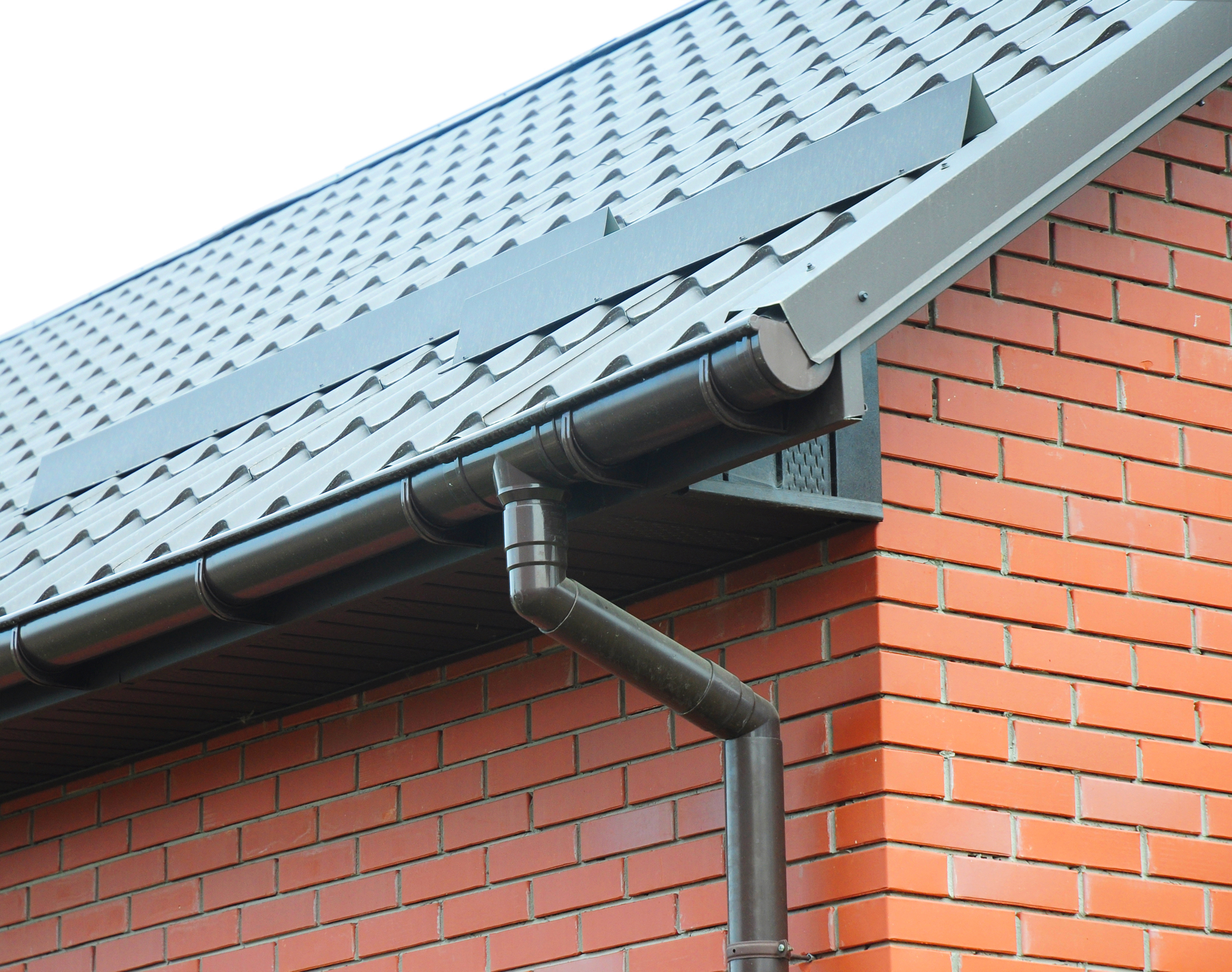
The art of roofing in Doncaster carries a rich history and displays the region’s architectural diversity and craftsmanship. The impressive roofs that adorn Doncaster’s skyline are not just mere protective structures for the buildings, but they too narrate a tale of the city’s heritage and craftsmanship. The roofing practices in this region are a perfect blend of tradition and innovation, showcasing a plethora of materials, designs, and techniques that have evolved over the centuries.
Doncaster’s roofing practices are deeply rooted in the local culture, reflecting the vitality of the community and its respect for architectural heritage. The region’s roofing practices have always remained dynamic, embracing modern technical advancements while preserving the historical essence. The roofing practices here offer a myriad of design elements, showcasing creativity and practicality in equal measure. Hence, the roofing practices in Doncaster reflect an amalgamation of aesthetics, durability, and functionality.
Furthermore, the roofing industry in Doncaster is renowned for its high-quality standards and adherence to regulations. These principles ensure the creation of robust and resilient roofs that stand the test of time. The professional roofers in this region are well-acclaimed for their craftsmanship and commitment to delivering well-designed and sturdy roofs. They are instrumental in maintaining the region’s architectural legacy while adopting innovative techniques and materials.
Historical Evolution of Doncaster Roofing Practices
The historical evolution of Doncaster’s roofing practices mirrors the region’s socio-economic changes and technological progress. The early roofing practices in Doncaster primarily used materials like thatch, clay, and stone. Thatch roofing, in particular, was prevalent because of its abundance and cost-effectiveness. Over time, with the advent of industrialisation, materials like slate, tile, and metal became more popular, bringing about a transformation in the region’s roofing landscape.
Victorian and Edwardian eras introduced significant changes in Doncaster’s roofing practices, integrating intricate designs and patterns into roofing. The roofs from these periods are still admired for their exquisite craftsmanship and design expertise. The 20th century witnessed further advancement with the introduction of modern materials like asphalt and composite shingles, which offered affordability, durability, and easy installation.
Despite these changes, the historical essence of Doncaster’s roofing practices was kept alive. The region’s craftsmen took great care to maintain a balance between tradition and modernity, ensuring the roofs they built reflected both the historical grandeur and practical necessities of the present times. This thoughtful balance is an integral part of Doncaster’s roofing evolution.
Materials and Techniques: Doncaster’s Roofing Legacy
Doncaster’s roofing legacy is characterised by a diverse range of materials and techniques. Thatch, clay, slate, and stone have been traditionally used in roofing for their longevity and aesthetic appeal. These materials were handmade and hand-cut, adding a unique touch to every roof. However, as industrialisation progressed, newer materials such as tiles, metal, asphalt, and composite shingles were introduced, which offered greater versatility, durability, and cost-effectiveness.
The techniques employed in Doncaster’s roofing practices have also evolved over the years. Traditional methods of thatching, tiling, and slating have given way to modern techniques like shingling and membrane roofing, which offer greater resilience and durability. However, the essence of traditional methods is still preserved and is often combined with modern techniques to create roofs that are both beautiful and robust.
Today, roofing practices in Doncaster not only focus on the aesthetics and durability of roofs but also consider their environmental impact. Sustainable roofing materials like recycled shingles, solar tiles, and green roofs are increasingly being used, contributing to the legacy of roofing in the region.
Regulation and Standards in Doncaster’s Roofing Industry
The roofing industry in Doncaster is regulated by a stringent set of standards and regulations to ensure the quality and safety of the roofs. These regulations cover aspects such as the selection of materials, installation procedures, maintenance practices, and safety measures. They aim to ensure that the roofs built in Doncaster are durable, weather-resistant, and safe for the occupants.
The British Standards Institution (BSI) provides specific guidelines for roofing practices in the UK, which are adhered to in Doncaster. It includes details on the correct procedure for roofing installation, repair, and maintenance, as well as the appropriate materials to use. Adherence to these standards assures high-quality roofing that is capable of withstanding the region’s diverse weather conditions.
There are also local building regulations in Doncaster that govern the design, construction, and alteration of buildings, including roofs. These regulations ensure that the roofs are structurally sound and conform to the aesthetic guidelines of the region. This regulatory framework not only assures the longevity and safety of roofs but also helps maintain the architectural integrity of Doncaster.
Trends and Innovations in Doncaster Roofing
Innovation and continuous improvement are integral parts of Doncaster’s roofing practices. The adoption of modern materials and techniques, combined with a keen focus on sustainability, is currently shaping the roofing trends in the region. Green roofing, solar roofing, and the use of recycled materials are some of the sustainable roofing trends that are gaining traction in Doncaster.
Technological advancements have also led to significant innovations in roofing practices. For instance, the use of drone technology for roof inspection and maintenance is increasingly being adopted in Doncaster. This technology enables roofers to inspect roofs more accurately and safely, without the need for physical access to the roof. Similarly, the use of modern insulation materials and energy-efficient roofing systems is contributing to the creation of energy-efficient buildings.
The trends and innovations in Doncaster’s roofing practices are not just about adopting new technologies and materials, but also about enhancing the aesthetics of roofs. Contemporary design elements are being integrated into roofing, creating visually striking roofs that also offer excellent functional benefits. This blend of aesthetics, functionality, and sustainability is the defining trend in Doncaster’s roofing practices.
Exploring the Role of Climate in Roofing Choices
The climate in Doncaster plays a significant role in the choice of roofing materials and techniques. The region experiences a temperate maritime climate with mild summers and cool winters, along with frequent rainfall. Therefore, the roofs in Doncaster need to be robust enough to withstand these varying weather conditions.
The choice of roofing materials in Doncaster is largely influenced by their ability to resist weather elements. Materials like slate and tile are popular choices for roofing in Doncaster due to their durability and weather-resistance. Similarly, the roofing techniques employed also prioritise weather-resistance, with practices like proper sealing and the inclusion of effective drainage systems being common.
Climate considerations also extend to the insulation and ventilation of roofs. Given the region’s climate, roofs in Doncaster are designed to provide excellent insulation during winters and proper ventilation during summers. This not only ensures the comfort of the occupants but also contributes to the energy efficiency of the buildings.
The Future of Roofing in Doncaster: A Foreseeable Outlook
The future of roofing in Doncaster looks promising, with a strong emphasis on sustainability and technological advancement. The region’s roofing practices are expected to evolve further, integrating more sustainable materials and energy-efficient systems. There is also a growing trend of designing roofs that not only serve a protective function but also contribute to the aesthetic appeal of the building.
Technological advancements are likely to play a significant role in shaping the future of roofing in Doncaster. With advancements in drone technology, AI, and data analytics, the efficiency and accuracy of roofing practices are expected to improve. These technologies can aid in more precise planning, accurate installation, and efficient maintenance of roofs.
Overall, the future of Doncaster’s roofing industry appears to be heading towards a blend of tradition and innovation, sustainability and aesthetics, craftsmanship and technology. This will ensure that the roofs in Doncaster continue to be not only functional and durable but also aesthetically pleasing, environmentally friendly, and reflective of the region’s rich architectural legacy.